
The Ethics of Intervening
The ReaderMichael’s silence about Hanna’s illiteracy tests respect for autonomy against a duty to prevent avoidable injustice.
increasing Bearing strength in each event
 decreasing
Bearing strength in each eventdecreasingThe Secret Recognized

A Hidden Cause
The Pattern Becomes Clear
Michael realizes that Hanna cannot read or write. The discovery explains her fear of written notices, her refusal of promotions, and her panic over the missing note during the bicycle trip.
Explanation Is Not Exoneration
He wonders whether her illiteracy caused her choices at the camp and trial, then rejects the idea that it makes her crimes disappear. The secret clarifies her behavior without answering how much it should matter to judgment.
A Possible Intervention

The Court Could Be Told
A Different Defense
Michael recognizes that Hanna cannot read the indictment or memoir and may not understand how her admissions shape the case. He could tell the judge that her defense has been compromised.
A Narrower Sentence
He imagines that disclosure might still leave her guilty but reduce her punishment. The possibility forces him to ask whether Hanna’s insistence on concealment should outweigh a fair assessment of her responsibility.
Autonomy as a Principle

The Right to Choose
Respect for Adults
Michael’s father argues that adults’ own judgment about their good should not be replaced by another person’s benevolent decision. Dignity and freedom remain distinct from happiness.
The Need for Direct Speech
He later says one must speak to a person who is blind to something important, rather than act behind that person’s back. Michael must therefore decide whether he can face Hanna directly.
Silence Before Judgment

The Secret Withheld
Hanna’s Refusal of Exposure
Michael believes Hanna would rather accept a life sentence than be revealed as illiterate. He cannot know whether disclosing the truth would help her or violate the self-image she protects.
A Decision Made Alone
He neither tells the judge nor visits Hanna to ask her. His silence may respect her choice, but it also leaves her unsupported and spares him a difficult confrontation.
The Later Reckoning
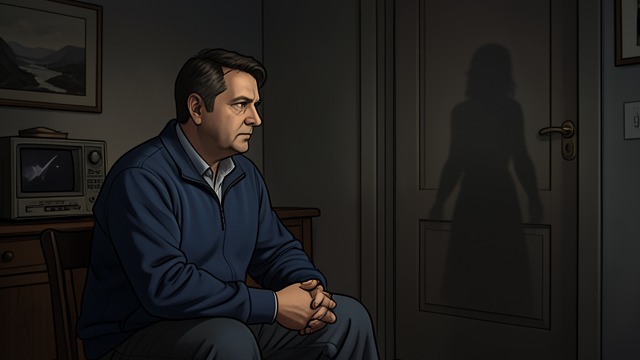
Responsibility Without Repair
Questions Persist
Michael continues to ask whether he betrayed Hanna, owed her something, or contributed to her death. The questions eventually lose their power to organize his daily life, but do not vanish from memory.
The Limits of Good Intentions
The story offers no final test that proves his silence was right or wrong. It leaves autonomy, moral intervention, and responsibility in tension, requiring recognition rather than a tidy verdict.
During a Sunday walk near the end of the trial
After Michael understands Hanna’s illiteracy
During Michael’s conversation with his father
Before the verdict is delivered
Years after Hanna’s death
